Before the visit
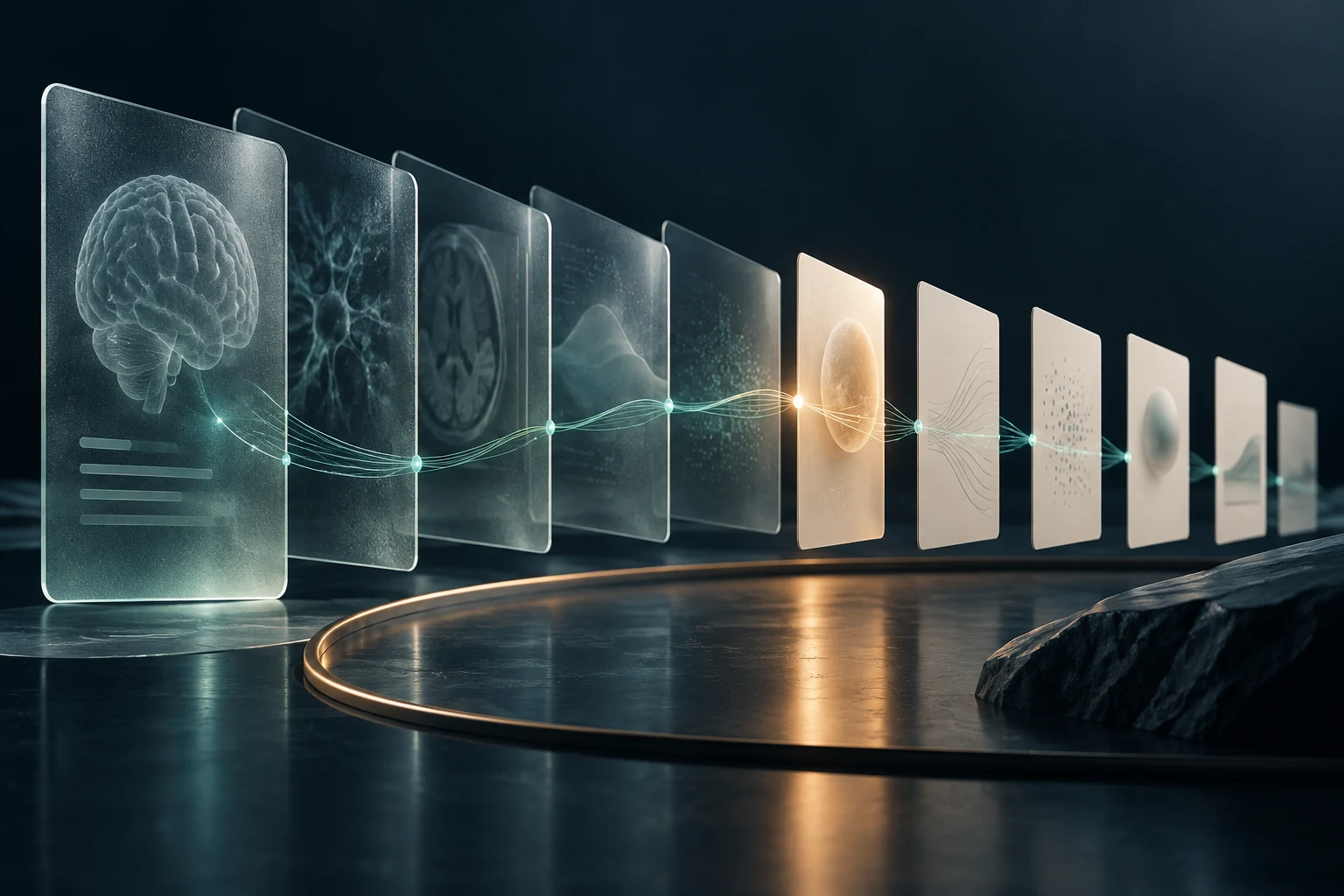
Prepare a timeline from the materials the patient brings. Keep dates, questions and missing information visible.
NEUROLOGY · CLINICAL AI · CONTINUITY OF CARE
A research platform for neurological and multidisciplinary care. NeuroCifra brings documents, consultations and follow-up into one clinical context — with AI assistance and a specialist in control.
01 / Our approach
A referral in a PDF. A symptom mentioned during a visit. A result from last year. The challenge is to understand how they fit together. Our work focuses on making that connection visible.
Prepare a timeline from the materials the patient brings. Keep dates, questions and missing information visible.
Explore speech-assisted notes and structured review so important details can be revisited and checked.
Connect agreed actions, observations and follow-up. Compare change against the previous visit.
02 / ILLUSTRATIVE WORKSPACE
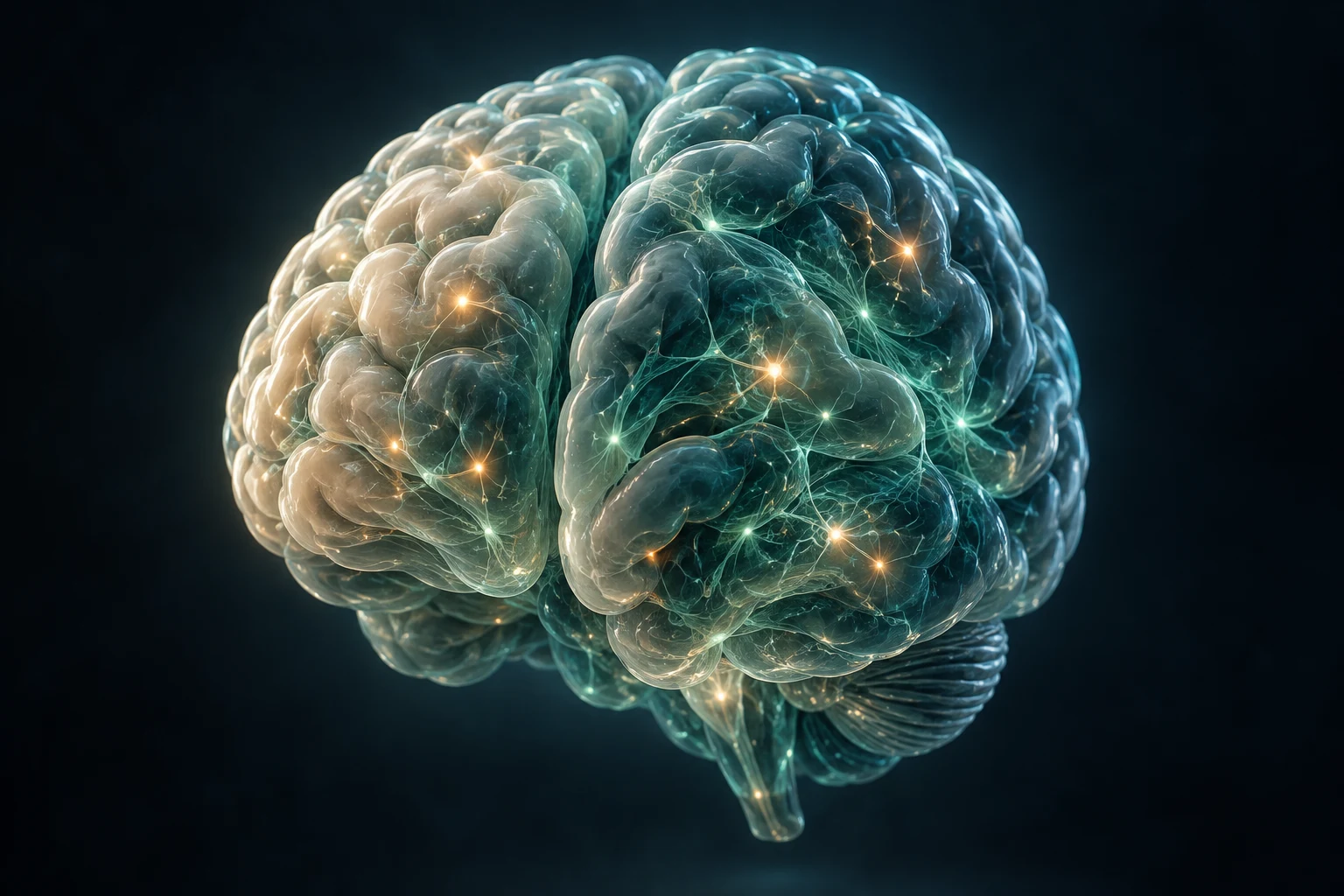
Choose a stage to explore the proposed workflow. The preview is illustrative and contains no patient information.
01 / Material
Prepare a timeline from the materials the patient brings. Keep dates, questions and missing information visible.
02 / Consult
Explore speech-assisted notes and structured review so important details can be revisited and checked.

03 / Specialist review
Evaluate documents and speech for lost negations, ambiguous doses, dates and missing context. A readable summary must also be faithful.
04 / Next step
Connect agreed actions, observations and follow-up. Compare change against the previous visit.

For the specialist: a clearer starting point and traceable information. For the patient: an explanation they can return to and a next step they can understand.
03 / Specialties
We study whether AI can preserve the meaning of clinical information, whether visual explanations improve understanding, and whether connected records support a more coherent consultation.
Evaluate documents and speech for lost negations, ambiguous doses, dates and missing context. A readable summary must also be faithful.
Explore the relationship between anatomy, observations and explanatory models. Keep measured results distinct from illustrative hypotheses.
Connect repeat assessments and everyday goals. Distinguish a measured change from a causal claim about treatment.
04 / Inside our research
Research perspectives on clinical context, documents, speech, visual explanation, follow-up and child development.
 NEUROLOGY · en
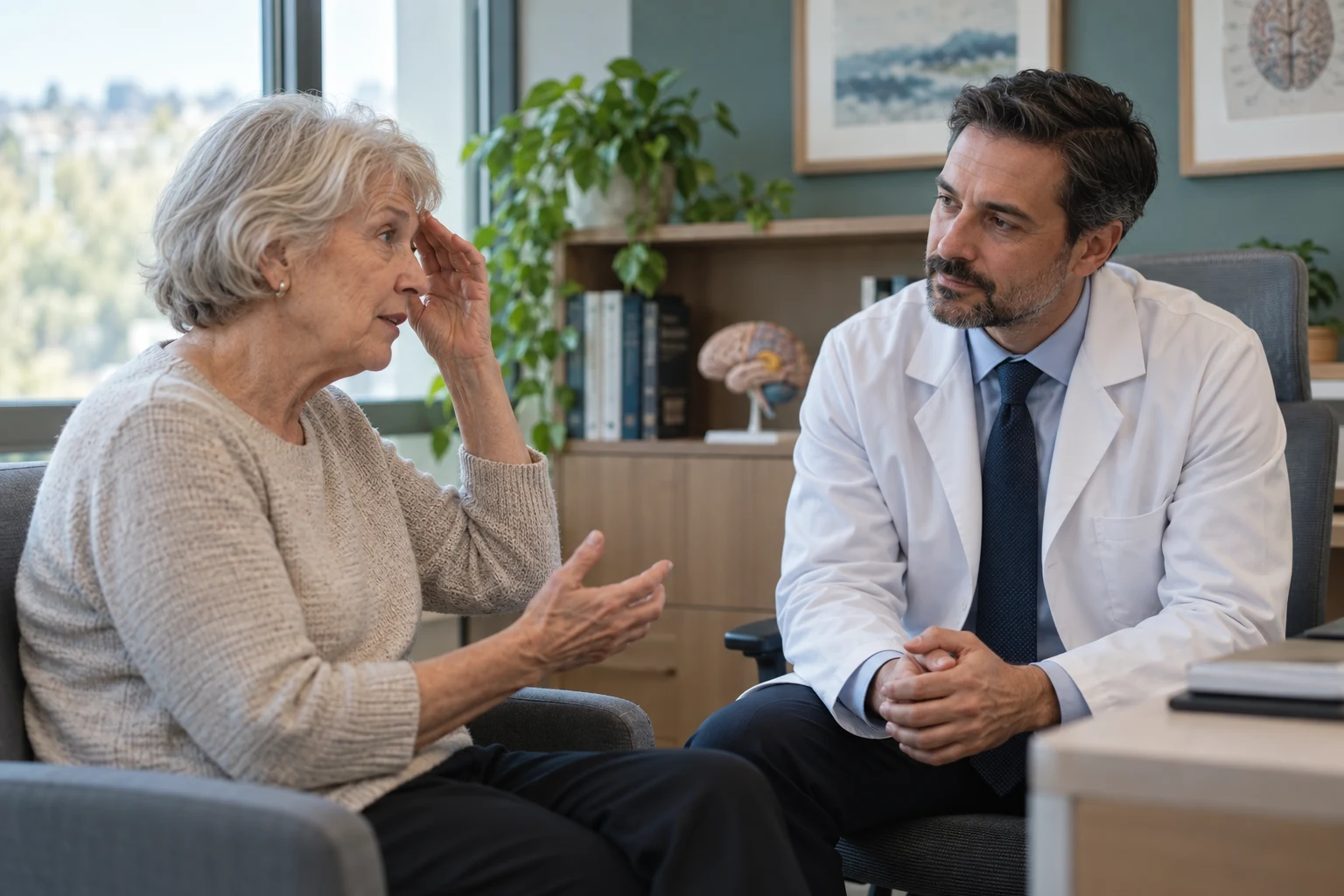
What must an AI assistant preserve when it connects complaints, examination findings and a patient’s history? We examine the difference between recognising a pattern and establishing a clinical conclusion.
A complaint becomes clinically meaningful through context. The same description of forgetfulness can refer to different difficulties: sustaining attention, learning new information, retrieving a name or organising everyday activity. A useful clinical record must preserve these distinctions rather than replacing them with a single broad label. This is the starting point for our work on connected clinical information.
Explore the article ↗ CLINICAL PRACTICE · en
Recognition is only the first step. Dates, medication changes, uncertain readings and the provenance of every statement determine whether a summary can support a consultation.
A medical document is more than a block of text. Its meaning depends on who produced it, when it was written, what examination it describes and whether a recommendation was later changed. A discharge letter, a referral and a patient’s note can contain similar terms while serving different purposes. Document processing must preserve these relationships before it can produce a useful clinical summary.
Explore the article ↗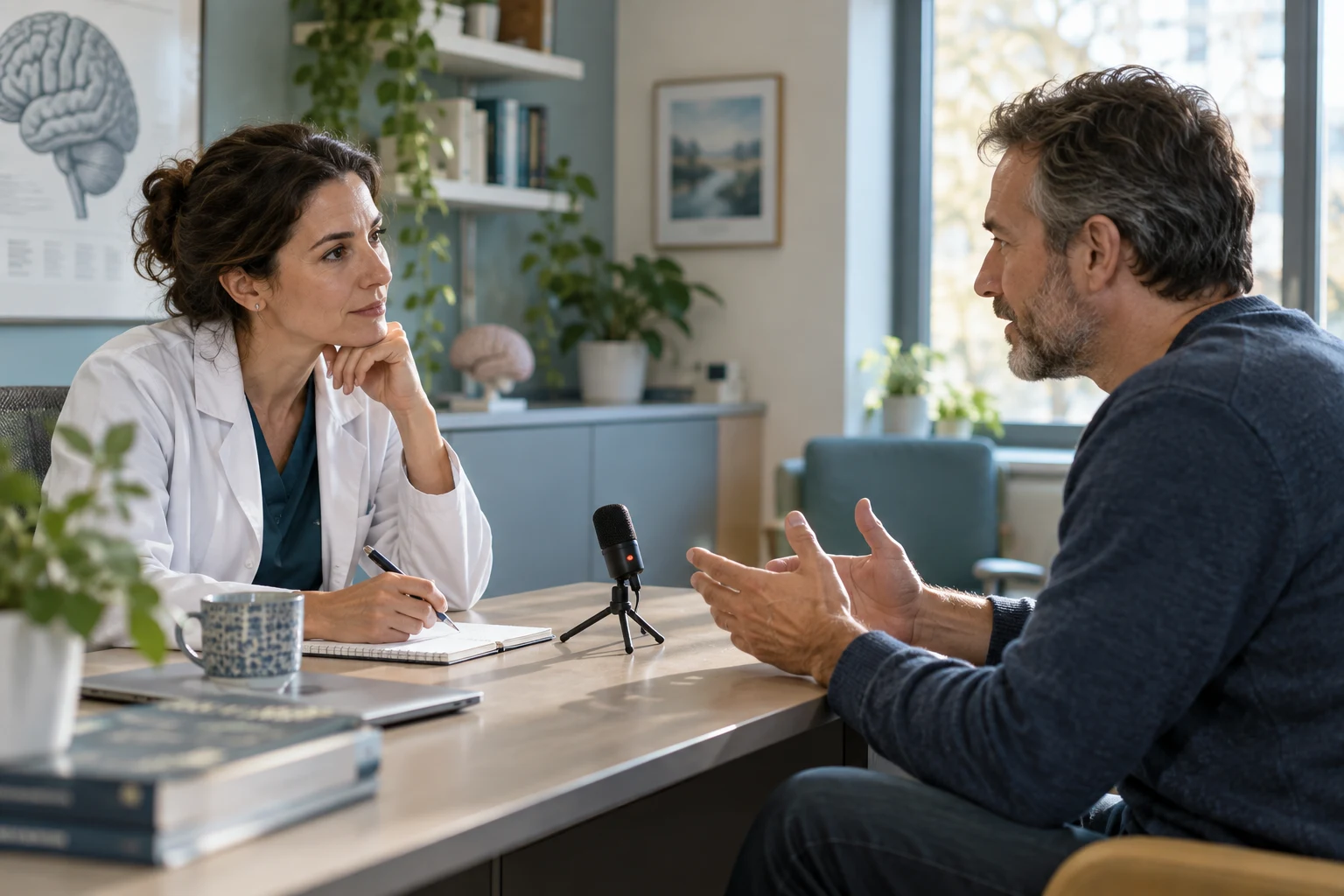 SPEECH & CONSULTATION · en
Near-real-time transcription raises a clinical question: how do we preserve the speaker, negation, correction and uncertainty while the conversation is still unfolding?
A consultation is not a dictated report. People interrupt themselves, change a number, return to an earlier event and speak over one another. A patient may quote another person, while a specialist may offer a hypothesis as a question. Converting this exchange into a fluent paragraph can erase distinctions that are essential to understanding the encounter.
Explore the article ↗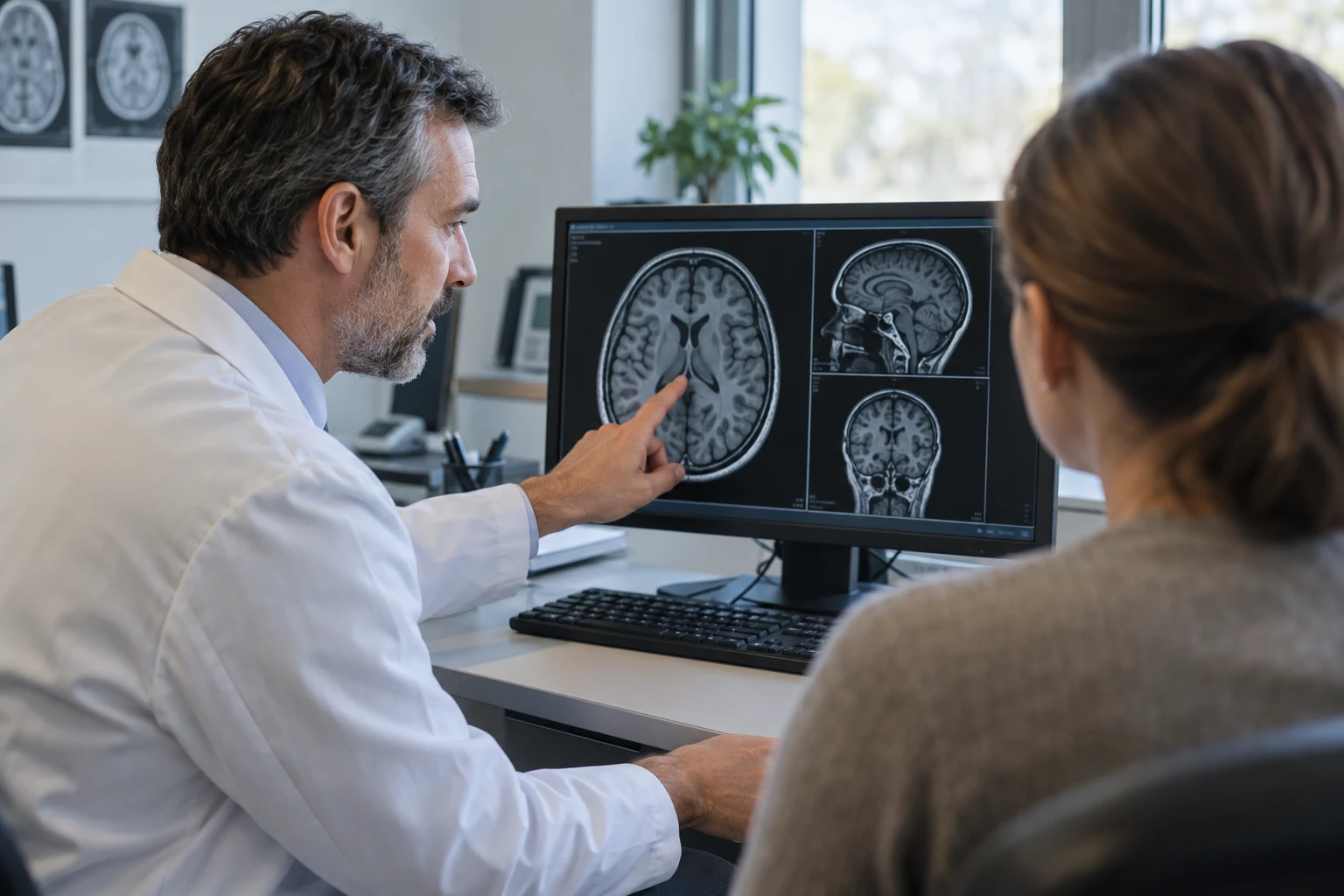 VISUAL UNDERSTANDING · en
An anatomical atlas, a measured imaging finding and a functional hypothesis communicate different kinds of knowledge. A useful visual interface must make those differences visible.
Visualisation can organise a difficult conversation. It offers a shared object that a specialist and a patient can examine together: an anatomical structure, the location described in a report or the course of an observation. Its value depends on whether the image clarifies the evidence rather than making an uncertain interpretation appear more certain.
Explore the article ↗ CONTINUITY OF CARE · en
Longitudinal care requires more than a rising or falling chart. We examine comparability, missing observations, patient goals and the limits of attributing change to treatment.
A follow-up consultation asks a different question from the first visit. It asks what changed, under which conditions and whether that change matters to the patient. A score, a description of daily functioning and an account of treatment experience may each contribute something different. A useful longitudinal record should keep them connected without flattening them into one number.
Explore the article ↗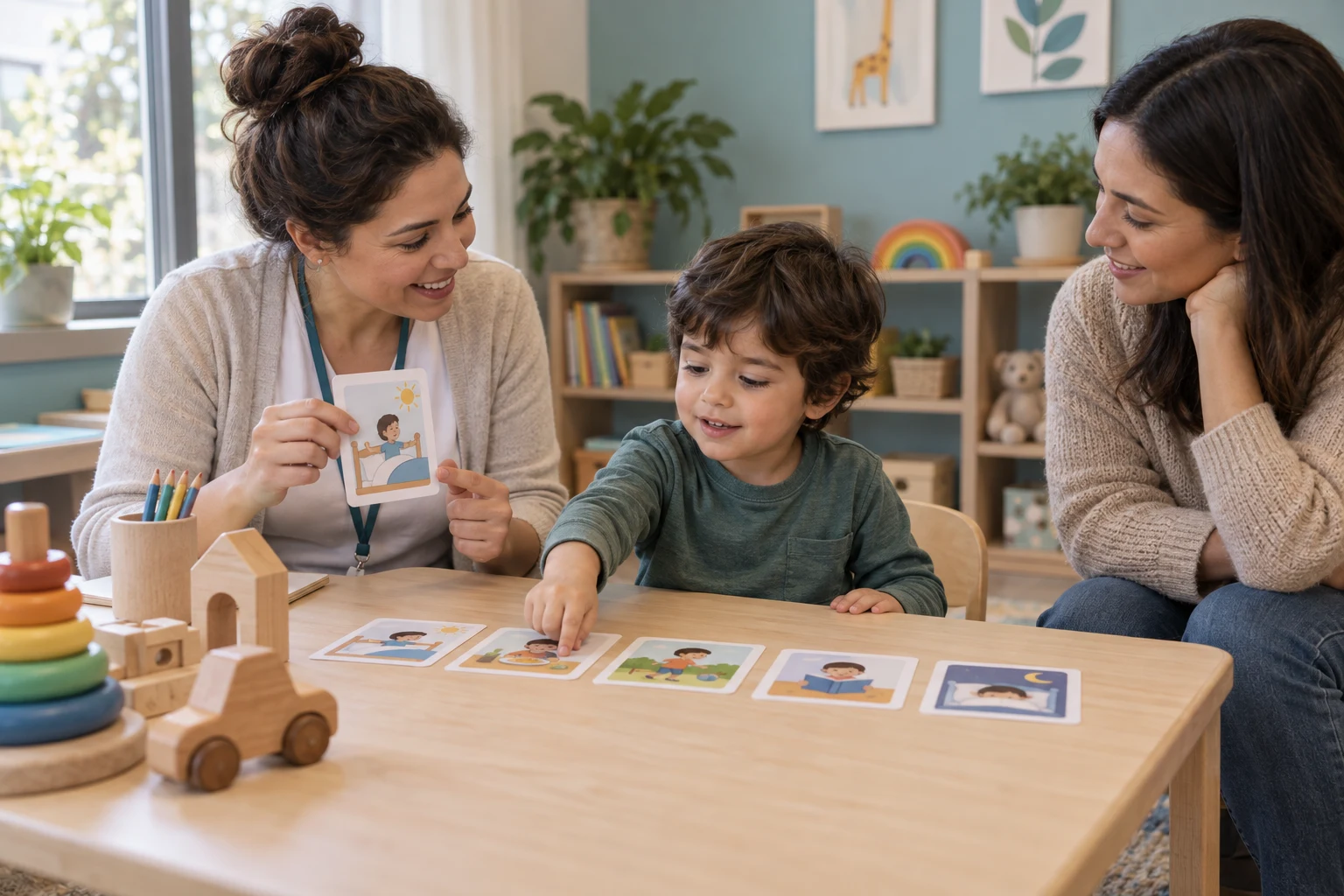 CHILD DEVELOPMENT · en
Connecting family observations, language assessment and professional support while keeping digital assistance separate from premature diagnosis.
“My child understands everything but says very little” starts a conversation; it does not settle it. Concrete examples help: asking for help, following an unfamiliar instruction, telling a story or joining a game. They make the concern more specific than a general developmental label.
Explore the article ↗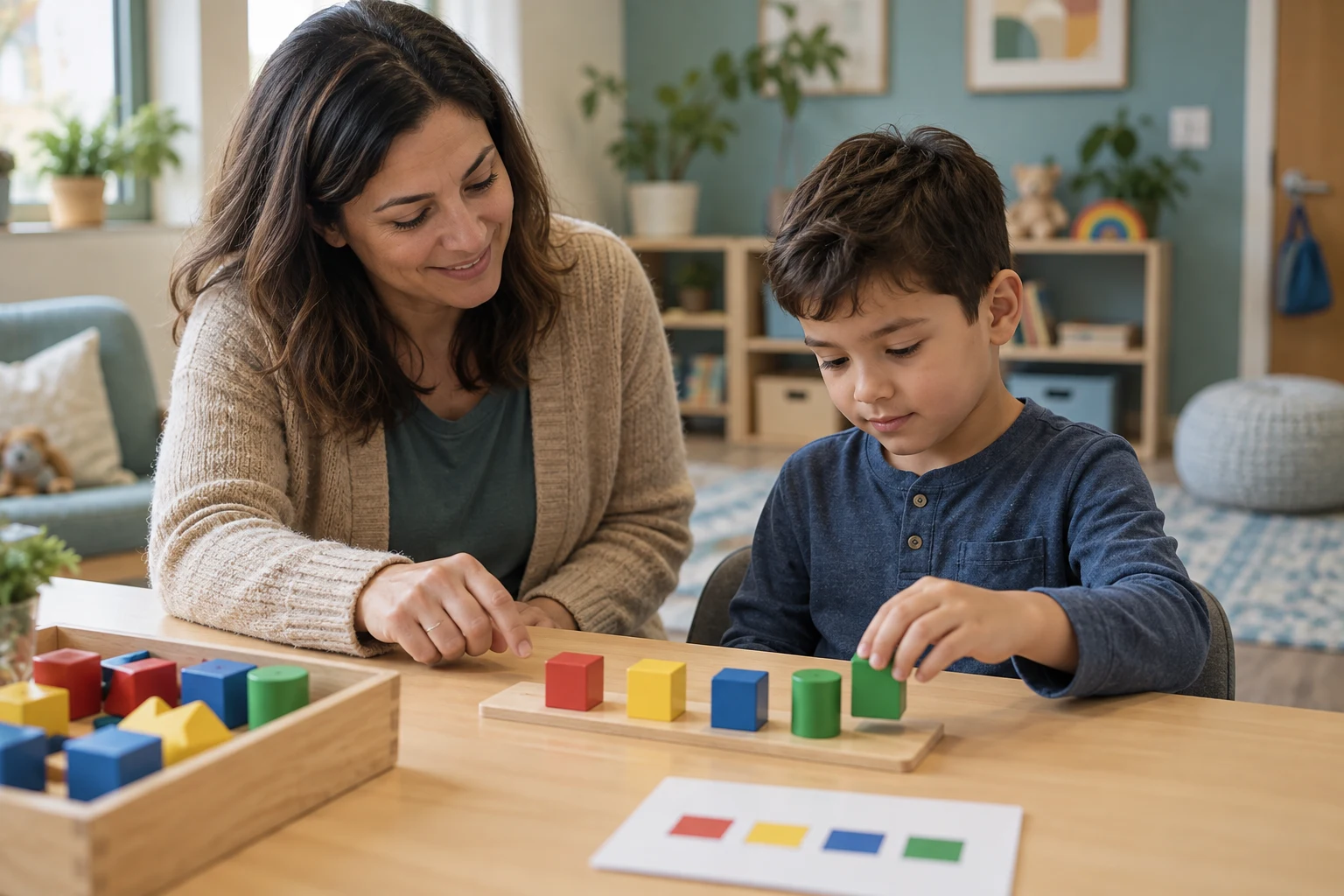 LEARNING & DEVELOPMENT · en
Discussing school difficulties without labels, comparing home and classroom observations, and defining a useful role for AI in consultation preparation.
A child may lose track of instructions, take time to begin work or avoid reading. These descriptions concern different tasks. A useful review starts by asking where the difficulty occurs, what the child can already do and which assistance changes task performance.
Explore the article ↗ PAEDIATRIC NEUROLOGY · en
Connecting medical questions, developing skills and family goals while preserving each professional’s responsibility.
A child may see several professionals while the family retells the same history at every appointment. A shared record should connect consultations: which question was raised, what has been assessed and what the next team member needs to know.
Explore the article ↗05 / Connect
For specialists, research teams and organisations exploring thoughtful applications of AI in care. Tell us about your interest.
Research version. Clinical decisions remain with qualified professionals.