Verstreute Informationen
Anamnese, Untersuchung und nächste Schritte in einen gemeinsamen klinischen Kontext bringen.
FORSCHUNG × VERSORGUNG × INTELLIGENZ
Eine Forschungsplattform für neurologische und fachübergreifende Versorgung. NeuroCifra verbindet Dokumente, Konsultationen und Verlaufsbeobachtung — mit KI-Unterstützung und fachlicher Kontrolle.
01 / Unser Ansatz
Dokumente, Beobachtungen und Fragen kommen in einer Sprechstunde zusammen. Wir entwickeln einen Forschungsraum, der ihren Kontext und Veränderungen sichtbar machen soll.
Anamnese, Untersuchung und nächste Schritte in einen gemeinsamen klinischen Kontext bringen.
Unterstützung bei der Dokumentation erforschen, damit das Gespräch im Mittelpunkt bleibt.
Beobachtungen über die Zeit verständlicher vergleichen und besprechen.
02 / ILLUSTRATIVER ARBEITSABLAUF
Veranschaulichung des Ansatzes, keine Patientenakte oder diagnostische Vorhersage.
01 / Material
Anamnese, Untersuchung und nächste Schritte in einen gemeinsamen klinischen Kontext bringen.
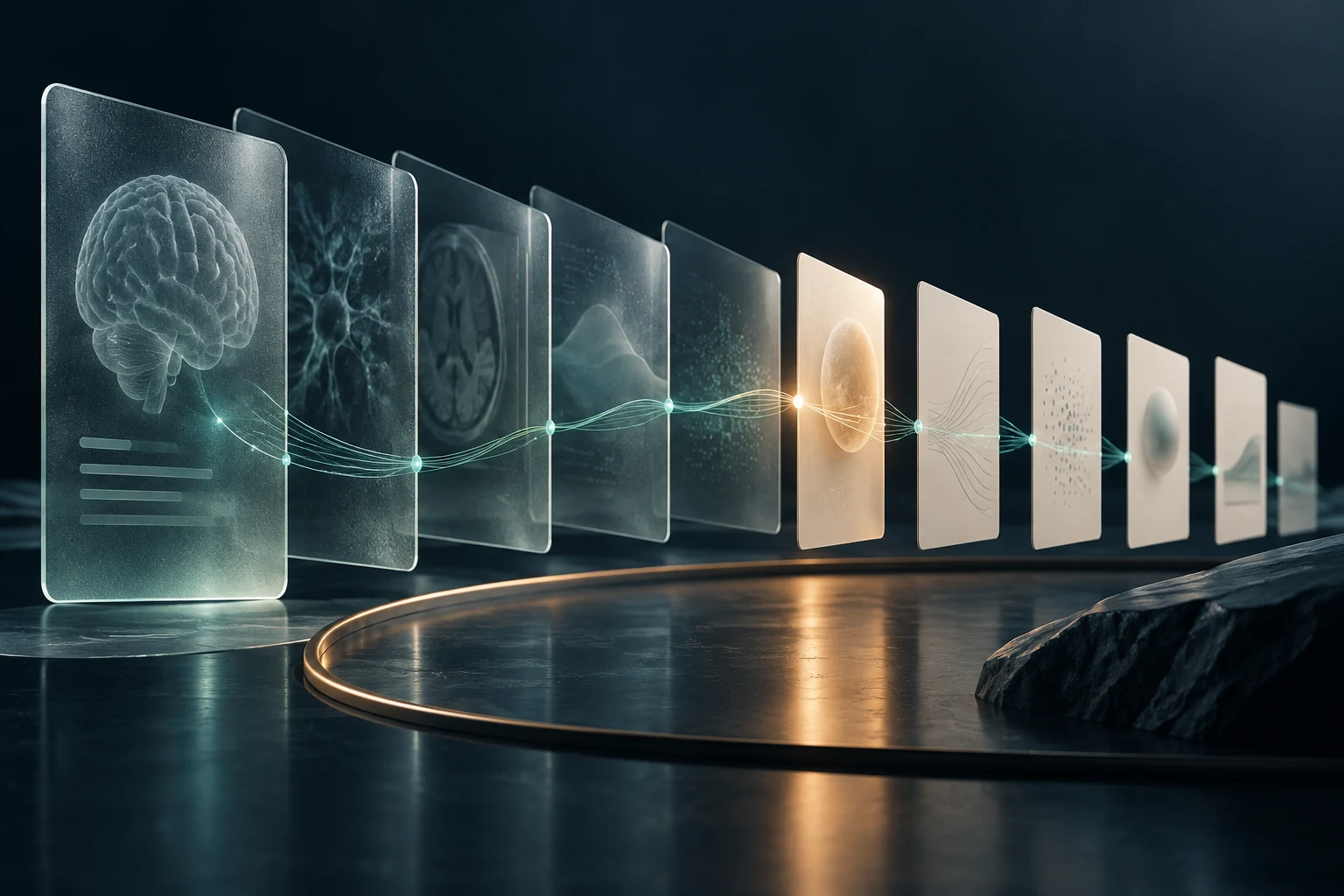
02 / Verbinden
Unterstützung bei der Dokumentation erforschen, damit das Gespräch im Mittelpunkt bleibt.

03 / Fachliche Prüfung
Gedächtnis, Aufmerksamkeit, Sprache und Nervensystem: Beobachtungen im zeitlichen Zusammenhang.
04 / Nächster Schritt
Beobachtungen über die Zeit verständlicher vergleichen und besprechen.

Für Fachpersonen: ein klarerer Ausgangspunkt und nachvollziehbare Informationen. Für Patienten: verständliche Erklärungen und nächste Schritte.
03 / Fachgebiete
Wir untersuchen KI-Unterstützung, visuelle Erklärungen und Versorgungskontinuität. Forschungsideen und experimentelle Funktionen unterscheiden wir klar von klinischer Validierung.
Gedächtnis, Aufmerksamkeit, Sprache und Nervensystem: Beobachtungen im zeitlichen Zusammenhang.
Strukturierte Gespräche, Nachsorge und fachübergreifende Zusammenarbeit unterstützen.
Konsultationen, Materialien und Fortschritte bei patientenrelevanten Zielen verbinden.
04 / Journal
Beiträge zu KI und Medizin. Die Artikel sind derzeit auf Englisch und Russisch verfügbar.
 NEUROLOGY · en
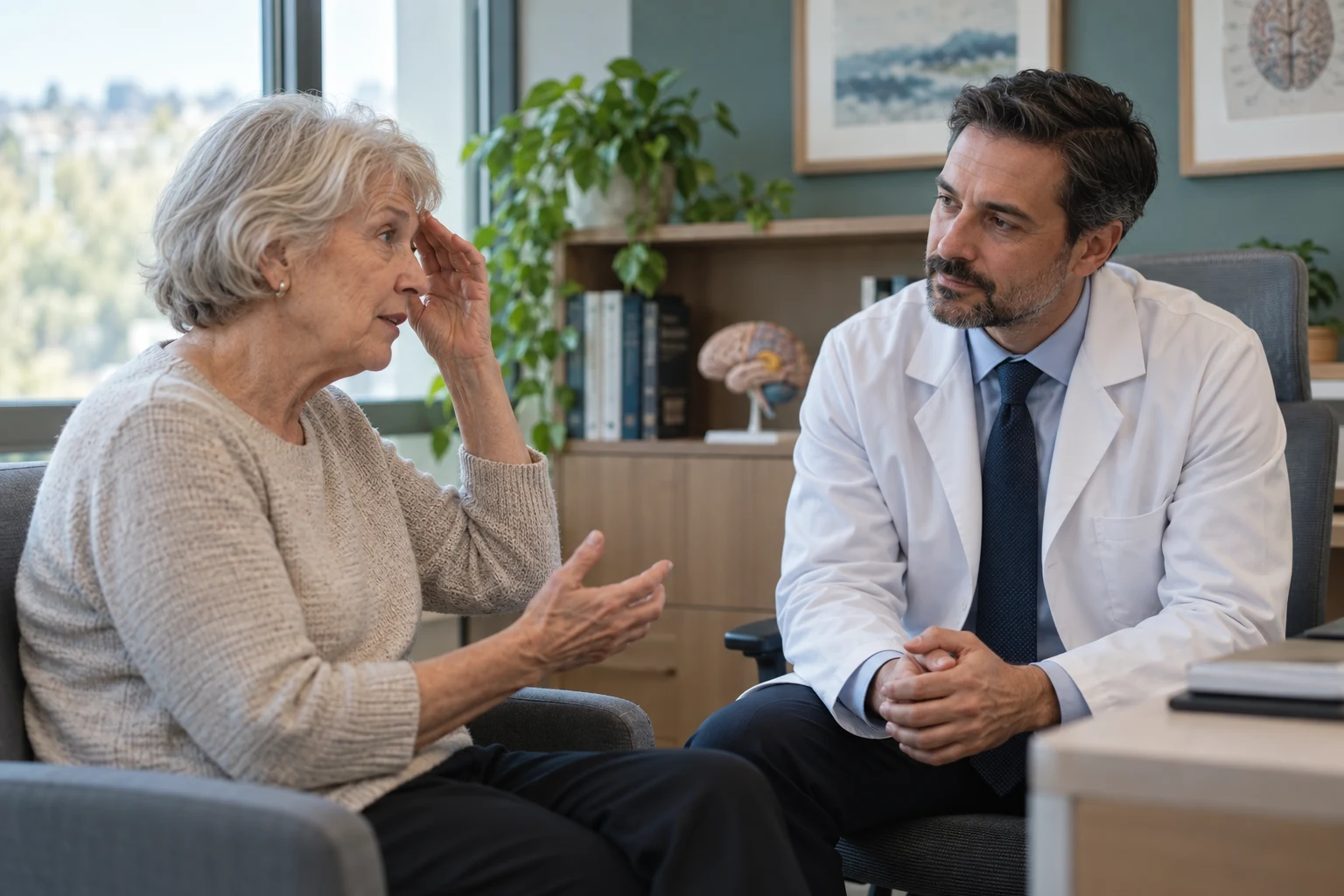
What must an AI assistant preserve when it connects complaints, examination findings and a patient’s history? We examine the difference between recognising a pattern and establishing a clinical conclusion.
A complaint becomes clinically meaningful through context. The same description of forgetfulness can refer to different difficulties: sustaining attention, learning new information, retrieving a name or organising everyday activity. A useful clinical record must preserve these distinctions rather than replacing them with a single broad label. This is the starting point for our work on connected clinical information.
Artikel lesen ↗ CLINICAL PRACTICE · en
Recognition is only the first step. Dates, medication changes, uncertain readings and the provenance of every statement determine whether a summary can support a consultation.
A medical document is more than a block of text. Its meaning depends on who produced it, when it was written, what examination it describes and whether a recommendation was later changed. A discharge letter, a referral and a patient’s note can contain similar terms while serving different purposes. Document processing must preserve these relationships before it can produce a useful clinical summary.
Artikel lesen ↗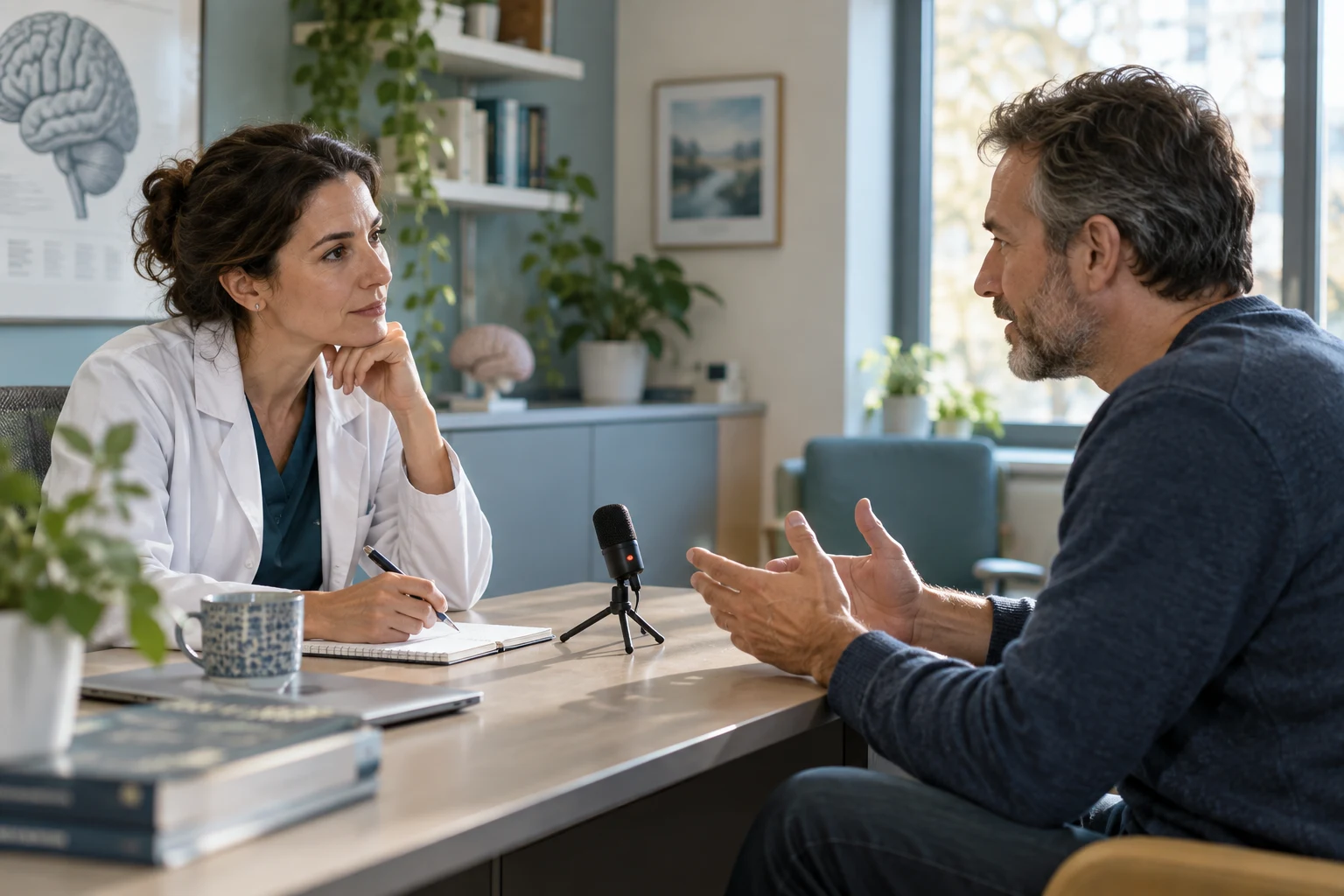 SPEECH & CONSULTATION · en
Near-real-time transcription raises a clinical question: how do we preserve the speaker, negation, correction and uncertainty while the conversation is still unfolding?
A consultation is not a dictated report. People interrupt themselves, change a number, return to an earlier event and speak over one another. A patient may quote another person, while a specialist may offer a hypothesis as a question. Converting this exchange into a fluent paragraph can erase distinctions that are essential to understanding the encounter.
Artikel lesen ↗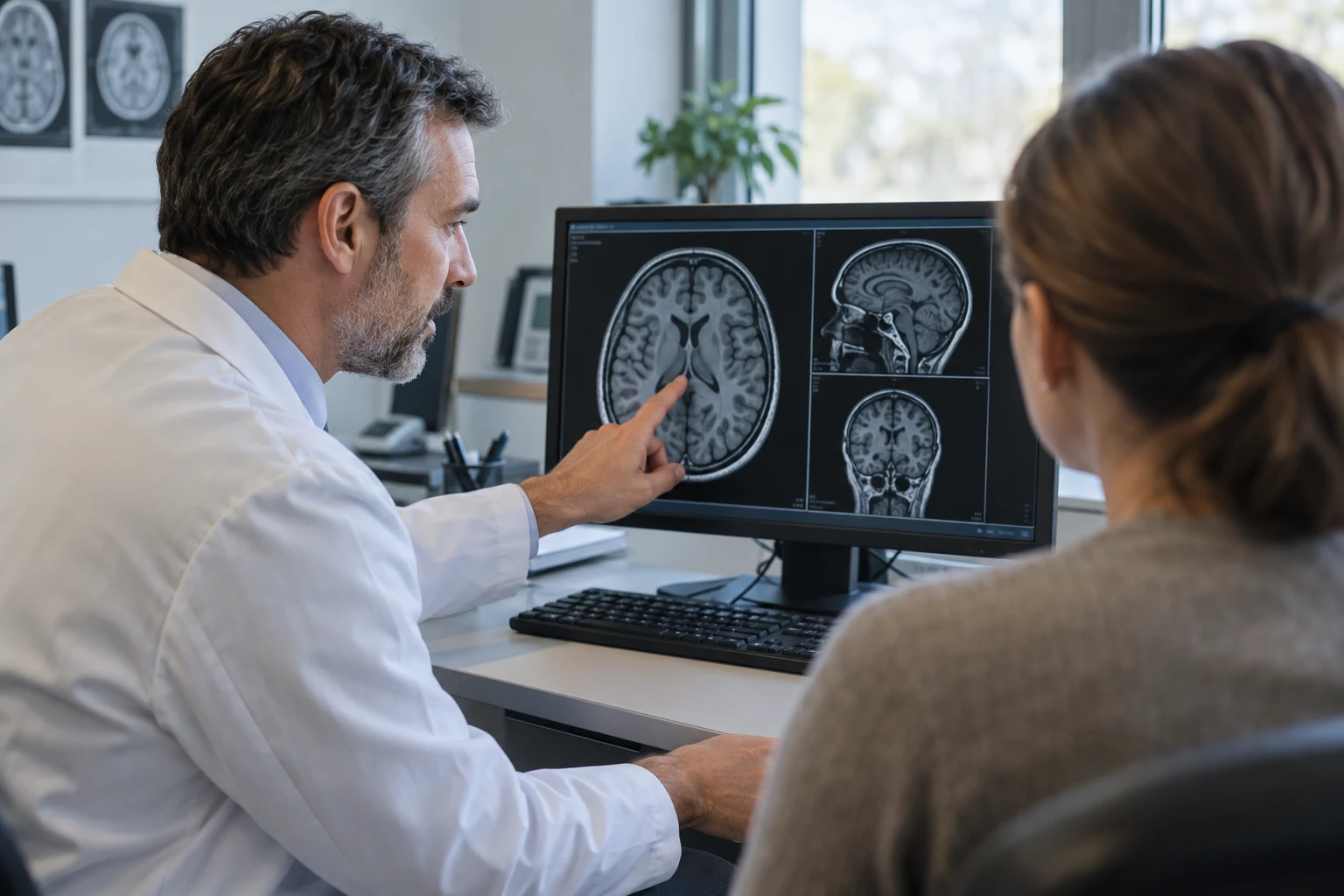 VISUAL UNDERSTANDING · en
An anatomical atlas, a measured imaging finding and a functional hypothesis communicate different kinds of knowledge. A useful visual interface must make those differences visible.
Visualisation can organise a difficult conversation. It offers a shared object that a specialist and a patient can examine together: an anatomical structure, the location described in a report or the course of an observation. Its value depends on whether the image clarifies the evidence rather than making an uncertain interpretation appear more certain.
Artikel lesen ↗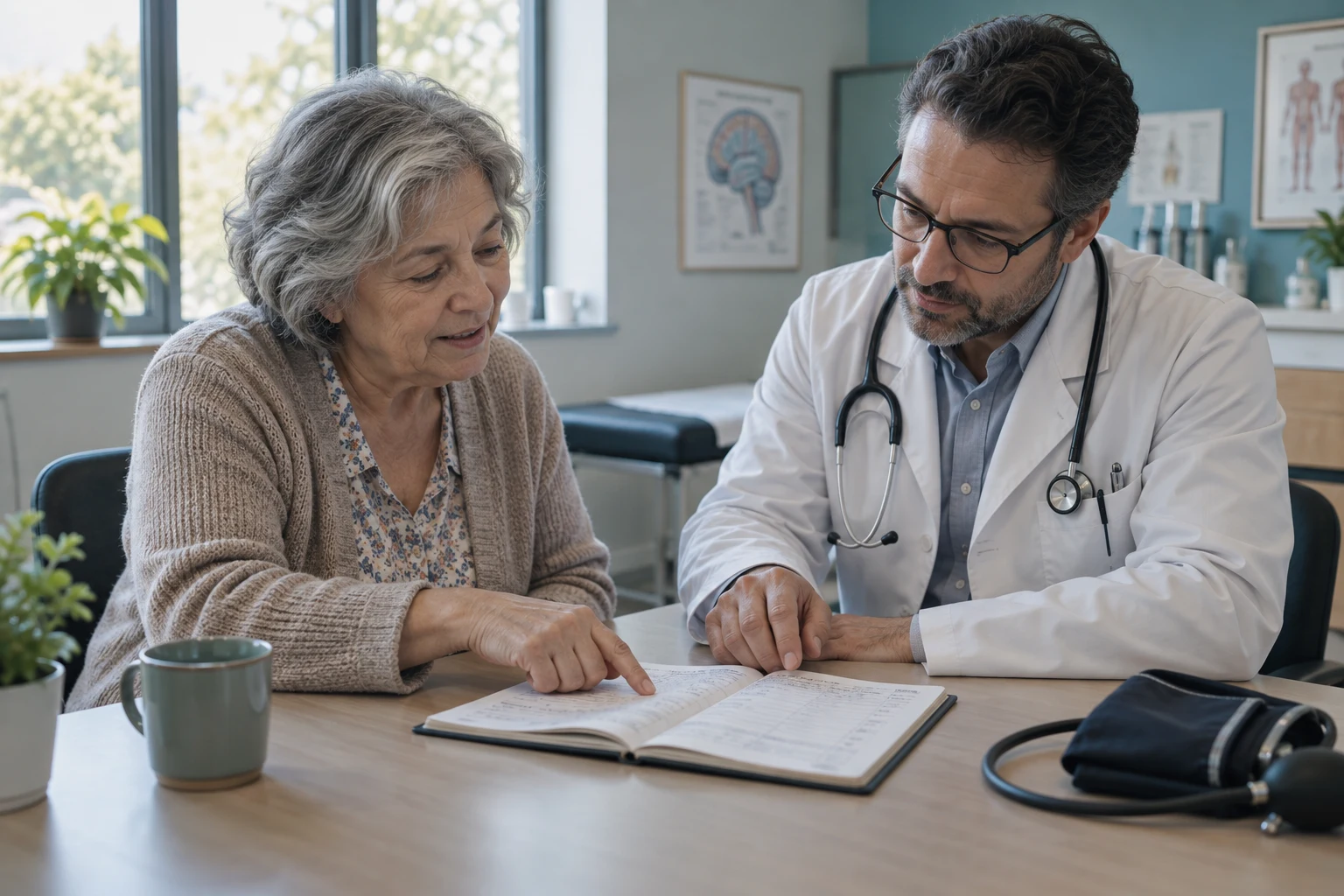 CONTINUITY OF CARE · en
Longitudinal care requires more than a rising or falling chart. We examine comparability, missing observations, patient goals and the limits of attributing change to treatment.
A follow-up consultation asks a different question from the first visit. It asks what changed, under which conditions and whether that change matters to the patient. A score, a description of daily functioning and an account of treatment experience may each contribute something different. A useful longitudinal record should keep them connected without flattening them into one number.
Artikel lesen ↗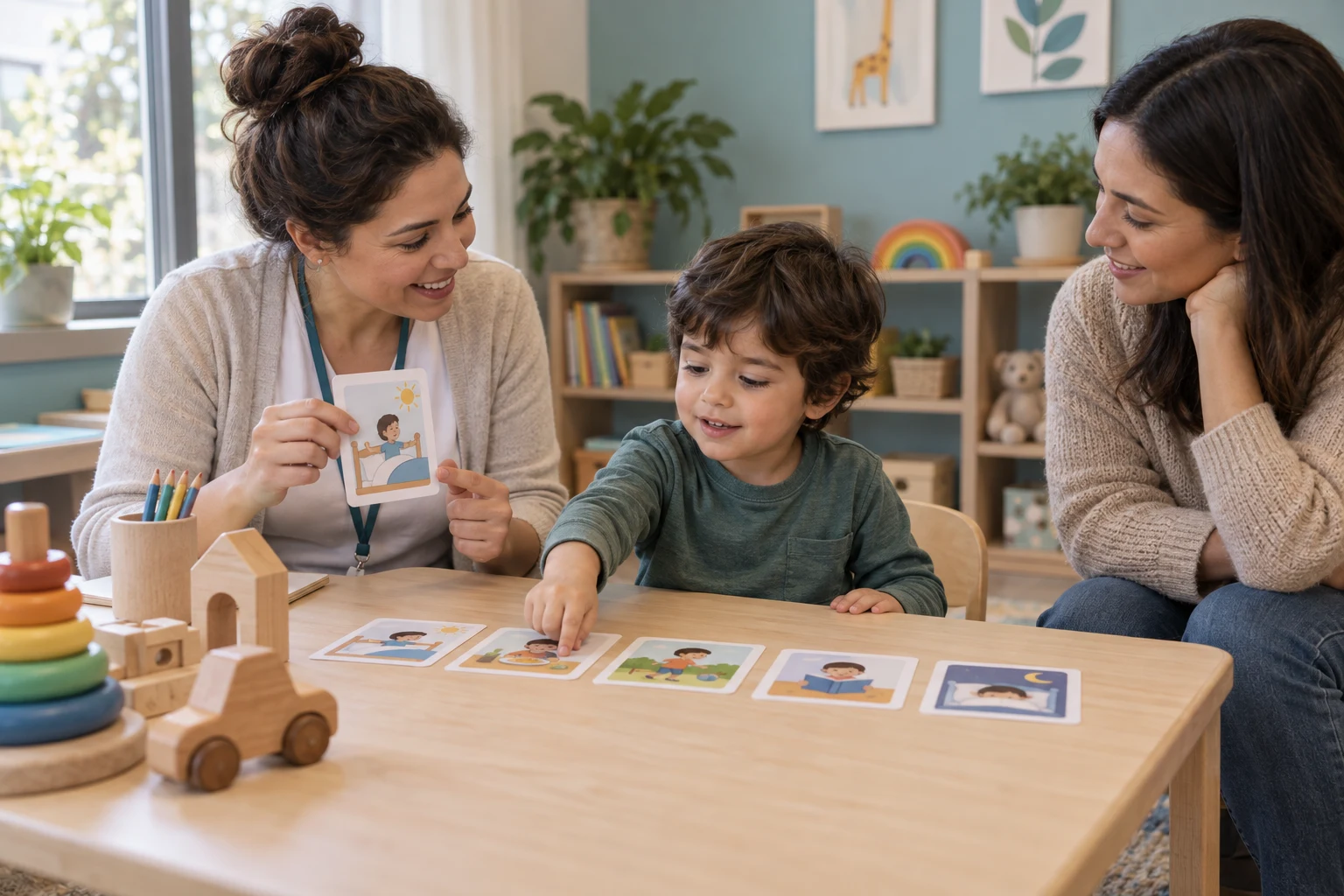 CHILD DEVELOPMENT · en
Connecting family observations, language assessment and professional support while keeping digital assistance separate from premature diagnosis.
“My child understands everything but says very little” starts a conversation; it does not settle it. Concrete examples help: asking for help, following an unfamiliar instruction, telling a story or joining a game. They make the concern more specific than a general developmental label.
Artikel lesen ↗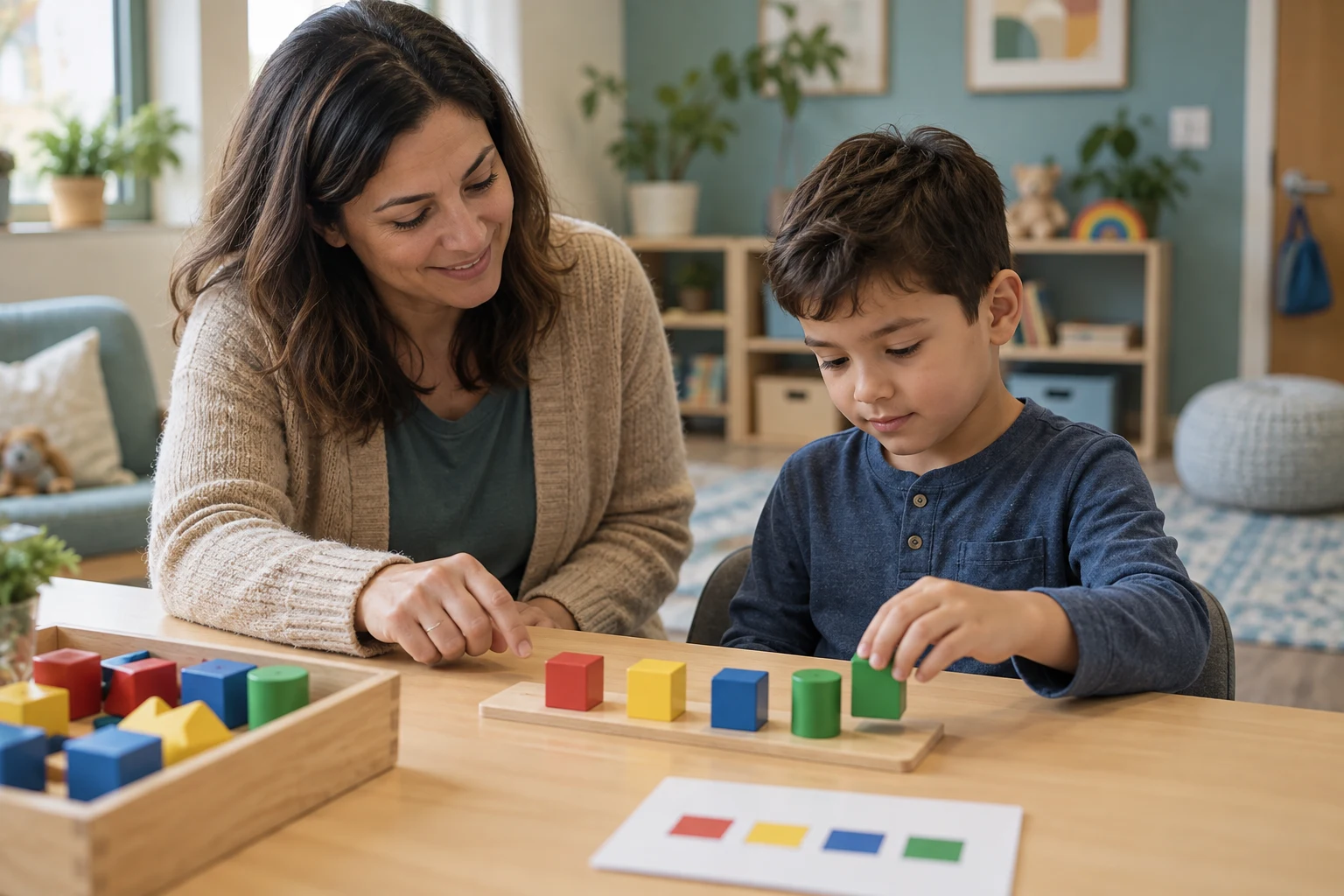 LEARNING & DEVELOPMENT · en
Discussing school difficulties without labels, comparing home and classroom observations, and defining a useful role for AI in consultation preparation.
A child may lose track of instructions, take time to begin work or avoid reading. These descriptions concern different tasks. A useful review starts by asking where the difficulty occurs, what the child can already do and which assistance changes task performance.
Artikel lesen ↗ PAEDIATRIC NEUROLOGY · en
Connecting medical questions, developing skills and family goals while preserving each professional’s responsibility.
A child may see several professionals while the family retells the same history at every appointment. A shared record should connect consultations: which question was raised, what has been assessed and what the next team member needs to know.
Artikel lesen ↗05 / Kontakt
Für Fachpersonen, Forschungsteams und Organisationen, die KI in der Versorgung erkunden. Erzählen Sie uns von Ihrem Interesse.
Forschungsversion. Klinische Entscheidungen verbleiben bei qualifizierten Fachpersonen.